I’ll be blunt.
Most customer support systems I audit aren’t broken because of bad teams. They’re broken because they’re built for a world that doesn’t exist anymore.
Customers don’t wait. They don’t retry. And they definitely don’t “call back later.”
They just… leave.
I’ve seen businesses lose 30 - 40% of inbound opportunities simply because no one picked up the phone in time. Not because they didn’t care, but because they physically couldn’t keep up.
So let me ask you something:
How many customers did you lose this week without even realizing it?
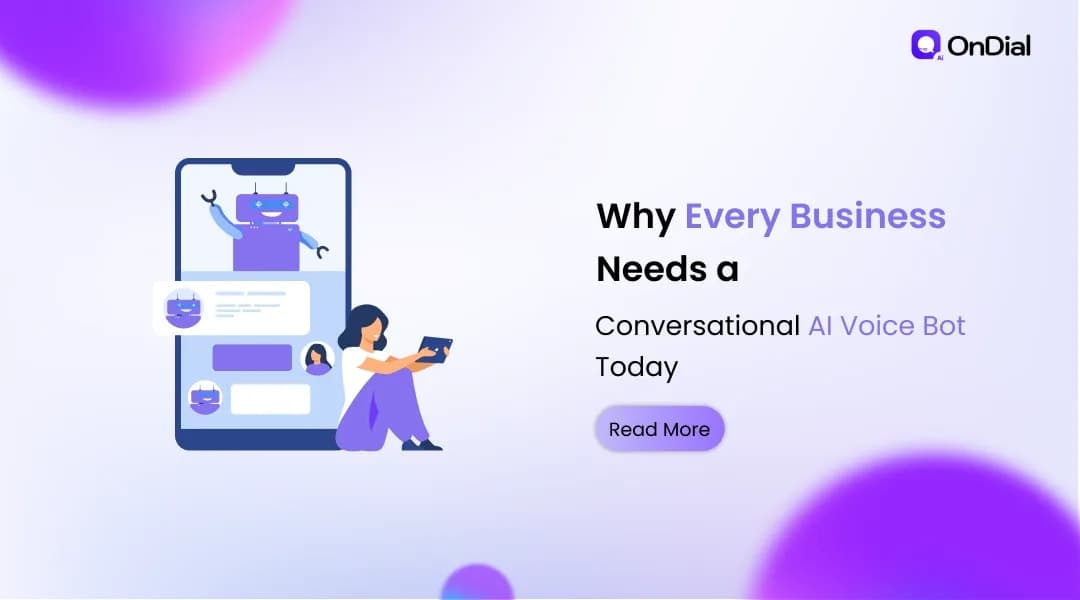
That’s where a conversational AI voice bot quietly changes the equation.
What is a Conversational AI Voice Bot?
It’s a system that can listen, understand, and respond like a human - without needing sleep, breaks, or escalation for basic queries.
How It Works
At its core, it combines three things:
Speech recognition (to understand what the caller says)
Natural language processing (to interpret intent)
Voice synthesis (to respond naturally)
But here’s the part most blogs won’t tell you:
The real value isn’t the technology. It’s the orchestration.
When done right, these bots integrate with your CRM, your workflows, your business logic. They don’t just answer calls, they execute tasks.
Book appointments. Qualify leads. Resolve queries.
In real-time.
Why Traditional Customer Support is Failing
I’ve worked with enough support teams to say this confidently: the model itself is cracking.
High Costs
Hiring, training, managing, retaining.
It adds up. Fast.
And scaling? That’s even worse.
Missed Calls
Even the best teams miss calls during peak hours. It’s inevitable.
And every missed call is a lost opportunity.
Limited Availability
Your team works 8–10 hours.
Your customers don’t.
There’s a mismatch. And it’s costing you.
Top Reasons Every Business Needs a Conversational AI Voice Bot Today
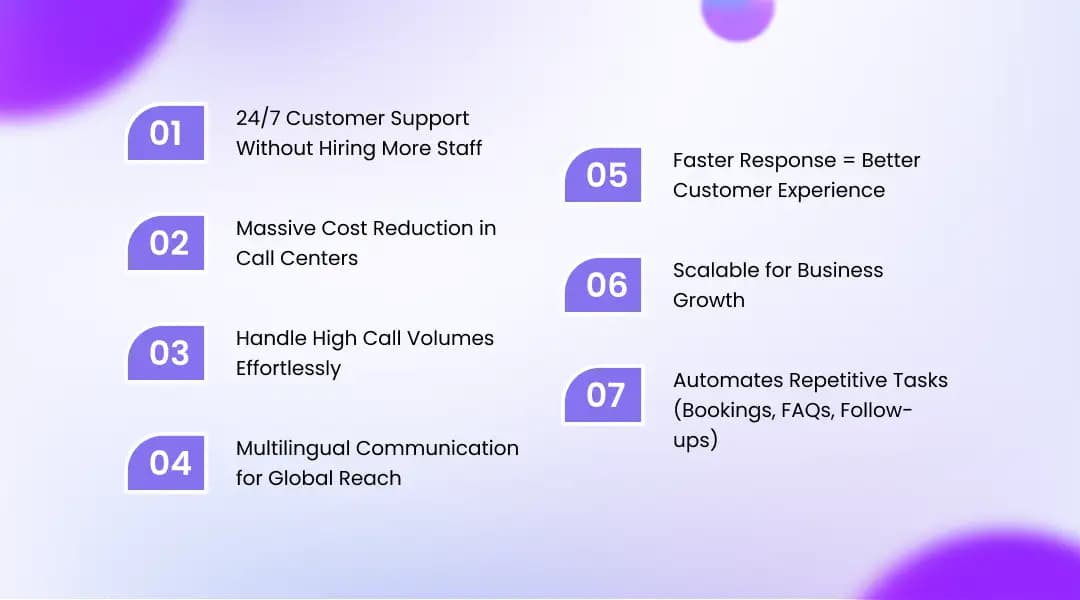
24/7 Customer Support Without Hiring More Staff
I’ve seen companies triple their responsiveness overnight—without hiring a single new agent.
Because the bot doesn’t sleep.
It doesn’t log out.
It just… works.
Massive Cost Reduction in Call Centers
Let’s talk numbers (quickly).
Most businesses reduce support costs by 40–60% after implementing AI call center automation.
Not by cutting people, but by removing inefficiencies.
Handle High Call Volumes Effortlessly
Remember the “midnight surge” problem?
AI voice agents don’t panic.
They scale instantly.
Whether it’s 10 calls or 10,000.
Multilingual Communication for Global Reach
This one’s underrated.
Your customer speaks Hindi. Another prefers English. Someone else? Gujarati.
A well-built AI voice assistant for business handles all of them without switching agents.
Faster Response = Better Customer Experience
Speed isn’t a feature. It’s an expectation.
And conversational AI voice bots respond instantly.
No hold music. No queues.
Just answers.
Scalable for Business Growth
Here’s a pattern I’ve noticed:
Businesses grow faster than their support systems.
Until something breaks.
AI voice bots remove that ceiling.
Automates Repetitive Tasks (Bookings, FAQs, Follow-ups)
Let humans handle complexity.
Let AI handle repetition.
That’s the balance.
Real-World Use Cases Across Industries
Let’s ground this in reality.
E-commerce
Order tracking. Returns. COD confirmations.
Handled automatically.
Healthcare
Appointment bookings. Reminders. Patient follow-ups.
Less chaos. More structure.
Real Estate
Lead qualification.
(And yes, this alone can double conversion rates when done right.)
Banking & Finance
Balance queries. Loan status. KYC reminders.
Secure. Fast. Consistent.
AI Voice Bot vs Human Agents: What’s Better?
This is where people get it wrong.
It’s not a competition.
It’s a division of labor.
AI handles:
Repetitive queries
High-volume interactions
First-level support
Humans handle:
Emotional conversations
Complex problem-solving
Escalations
Trying to replace humans entirely?
Bad idea.
Augmenting them?
That’s where things get interesting.
Key Features to Look for in an AI Voice Bot
Not all bots are equal. Not even close.
Here’s what actually matters:
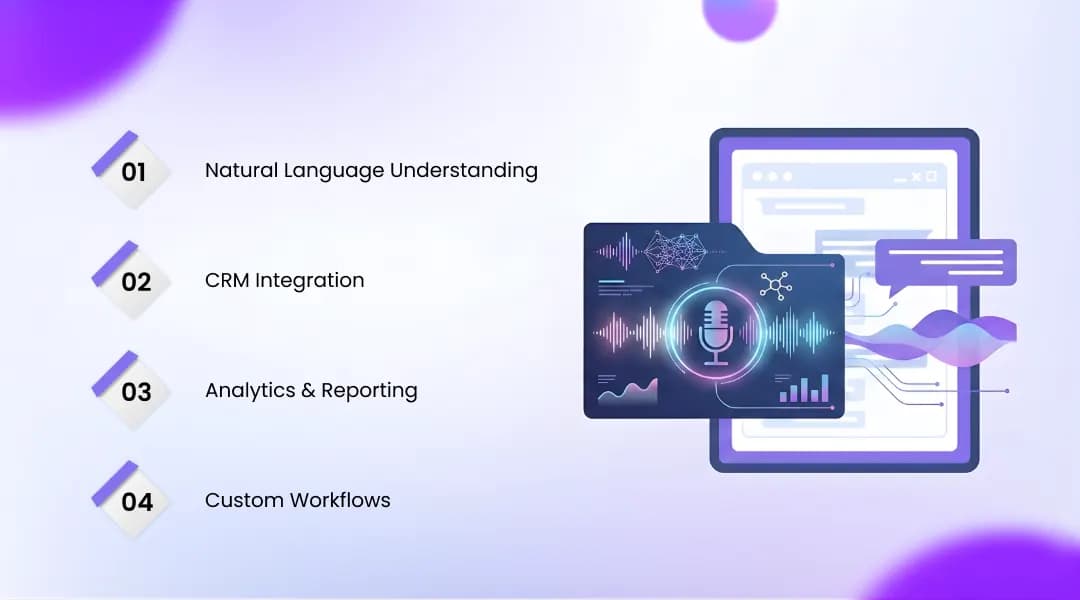
Natural Language Understanding
If it can’t understand real speech, it’s useless.
CRM Integration
Your bot should know your customer, not start from scratch every time.
Analytics & Reporting
You need visibility. What’s working? What’s not?
Custom Workflows
This is critical.
Your business isn’t generic. Your bot shouldn’t be either.
How AI Voice Bots Increase Revenue
Most people look at cost savings.
That’s only half the story.
The real impact?
Revenue.
Faster response → higher conversions
Zero missed calls → more captured leads
Better follow-ups → increased retention
I’ve seen businesses recover lost revenue streams just by implementing an automated voice calling software correctly.
And if you're evaluating tools, finding the Best AI calling agent for sales becomes a strategic decision, not a technical one.
How to Get Started with AI Voice Bots
Don’t overcomplicate this.
Start small.
Identify high-volume, repetitive calls
Define clear workflows
Choose a solution that allows customization
Test, refine, scale
And most importantly -
Work with a partner who understands your business.
Not just the tech.
Because the difference between a bot that “works” and one that actually drives results?
Context.
Conclusion
Here’s the truth most people won’t say out loud:
The question is no longer “Should we use AI voice bots?”
It’s “How much longer can we afford not to?”
Customer expectations have changed.
Speed matters. Availability matters. Experience matters.
And conversational AI voice bots are no longer experimental, they’re foundational.
I’ve seen businesses hesitate.
I’ve also seen what happens when they finally move.
The gap closes. Fast.